The Universal Proposal Generator Prompt
Writing a proposal from scratch every time is where most of your week goes. This is one copy and paste prompt that turns Claude into your proposal desk: it uses your template, your pricing sheet and your rules, it asks you the questions you always ask, and it hands the finished draft back to you.
- Your numbers, never invented ones. Pricing comes from the sheet you give it, and it shows you the math before it writes a word.
- Your template, untouched. It fills in the blanks. It does not rewrite your layout or your terms.
- A setup interview built in. Leave the blanks empty, say "run the setup interview", and it walks you through it.
Something you typed here never sent
Your details are still saved in this browser. Press send again below, or email me instead and I will send the prompt over myself.
That did not go through
I would rather tell you than take your email and lose it. Nothing you typed was thrown away, and you can still have the prompt right now:
Download The Universal Proposal Generator Prompt (PDF)
If you would like to be on my list too, email me at [email protected] and I will add you by hand.
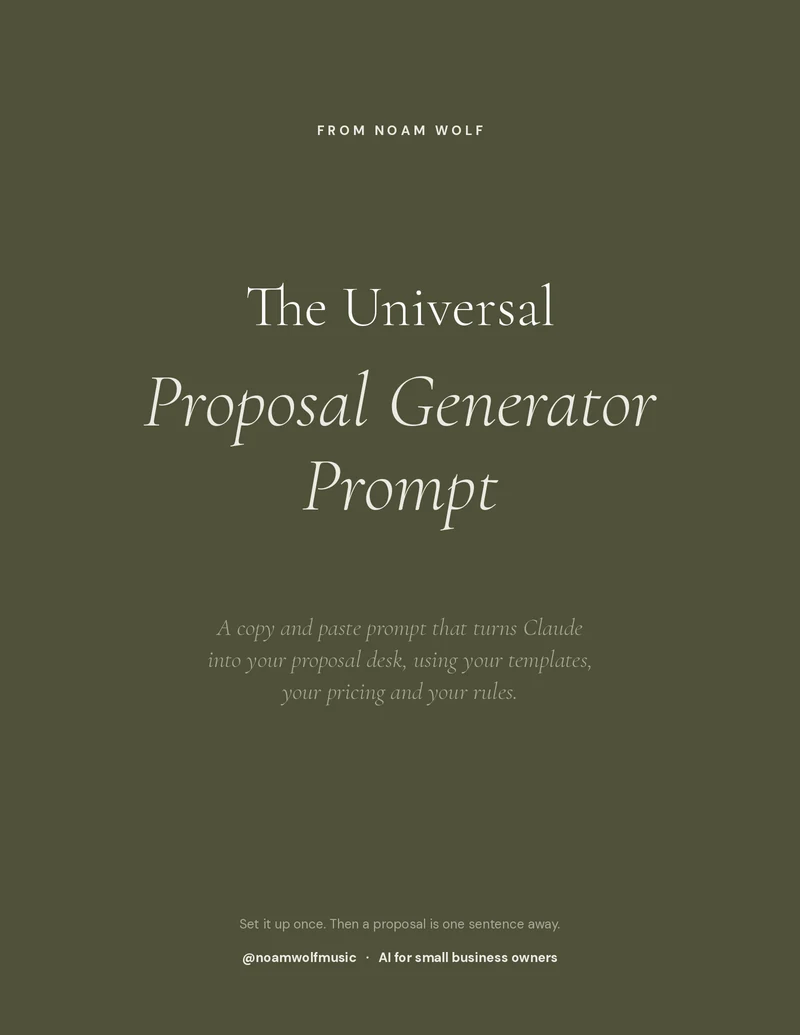
What is inside
Seven pages. A setup checklist, the full prompt, a fill-in worksheet, and the three rules that decide whether this works for you or not.
What to gather first
Your proposal template, your pricing sheet, your pricing rules, your contract terms, your logo, and the questions you always ask before you quote. Six items, and the page tells you why each one matters.
The prompt itself
Eight sections covering your business, your files, your pricing, your intake questions, the output format and the guardrails. Paste it into a Claude Project, attach your files, then say "new proposal for" and a name.
The worksheet and the rules
A fill-in sheet so you know what to have ready, plus the three habits that keep it accurate: write pricing as if-then rules, make it show its math, and never let it rewrite your template.
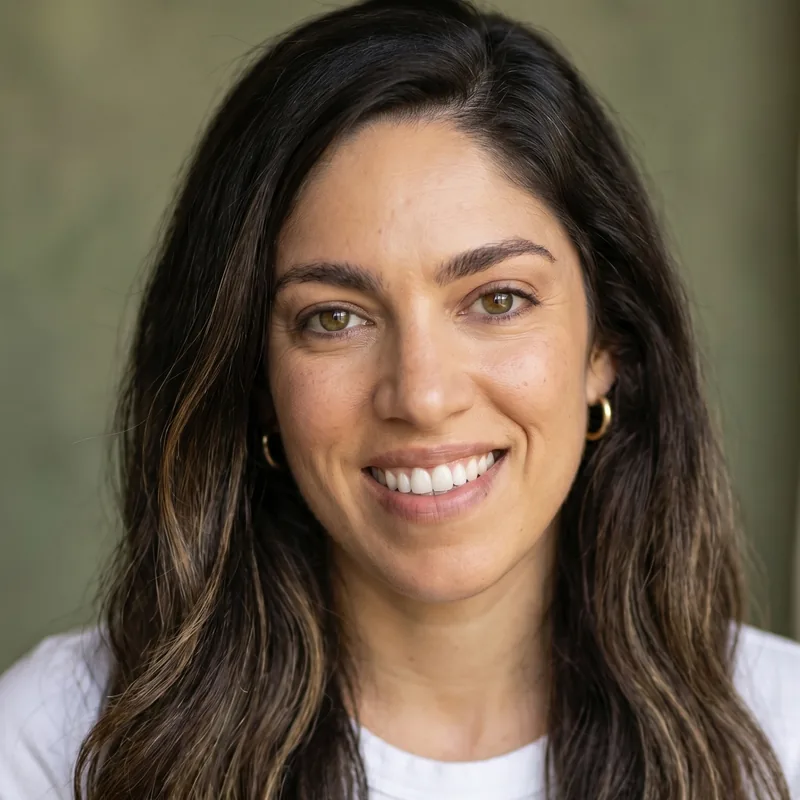
“This is the setup I run in my own company. Proposals used to eat my evenings, and now one sentence starts the draft. I run a live music business in Los Angeles, and I do not write any code.”